

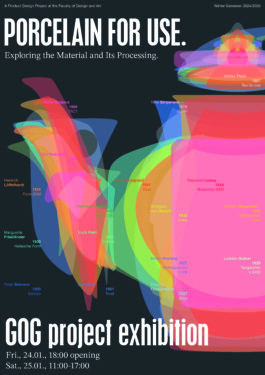
Porcelain for Use. Exploring the Material and Its Processing.
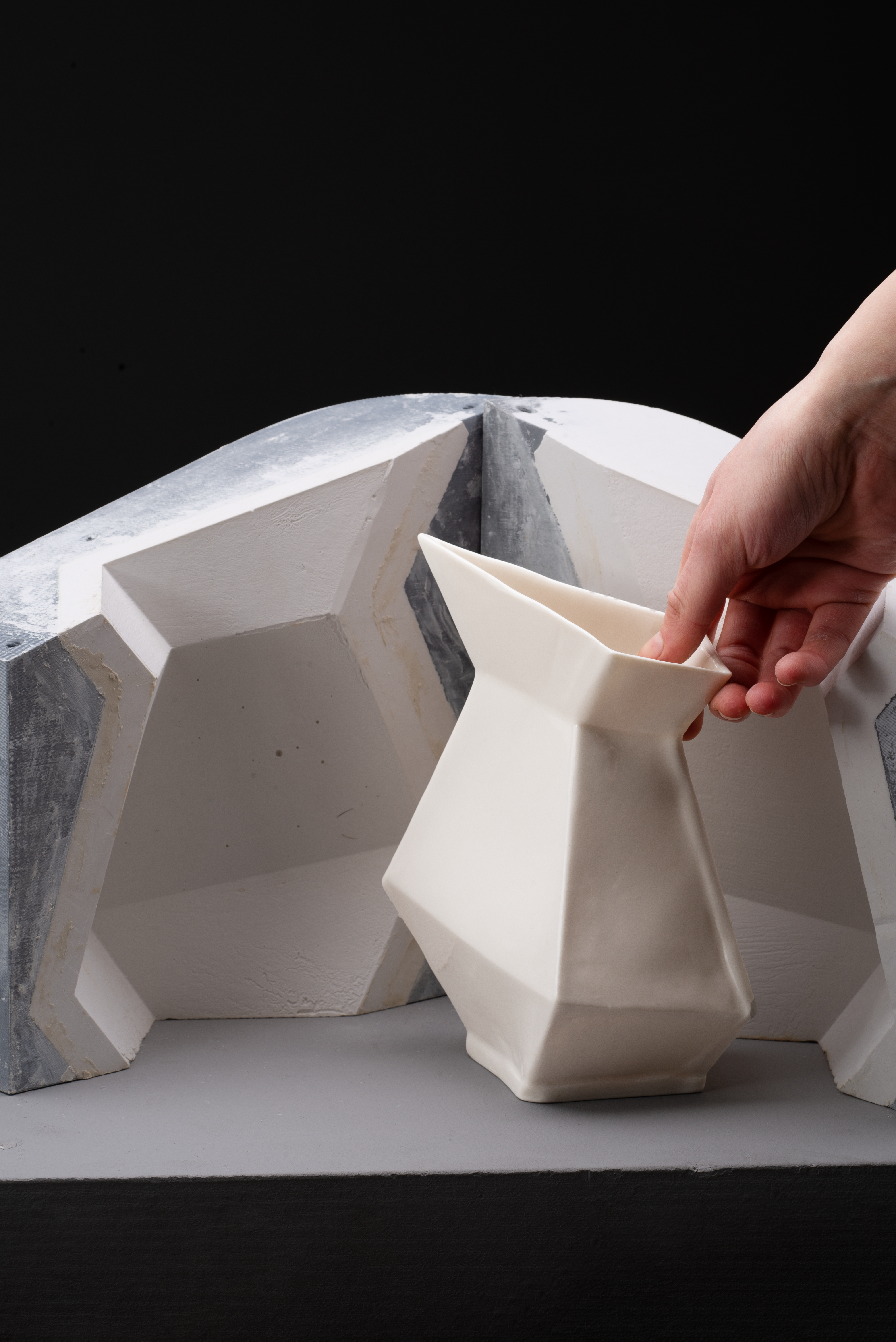
The origin of “true porcelain” (Uwe Mämpel) in China dates back over 2,000 years and culminated in the Tang Dynasty (618–907 AD). From the 13th century, Chinese porcelain was also imported to Europe. However, it largely remained an exclusive luxury reserved for the high nobility. The reinvention of porcelain by Johann Friedrich Böttger in Meißen over 300 years ago marked the beginning of a European development characterised by diverse forms of production and design as well as the ongoing democratisation of porcelain goods. This development clearly illustrates the complex history of porcelain as a cultural artefact and as a unique material situated between artisanal craftsmanship and industrial mass production. Although the porcelain industry in Europe has been in decline, especially since the 2008 global financial crisis (Suzanne L. Marchand), the cultural significance of porcelain production, as practised in factories and craft workshops, has largely endured. Furthermore, the use of digital tools and media, along with the fusion of traditional techniques and high-tech applications in mould making, has created new opportunities for design, production and distribution even for smaller porcelain workshops.
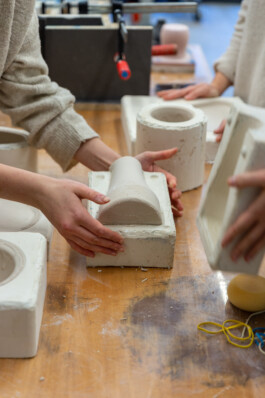
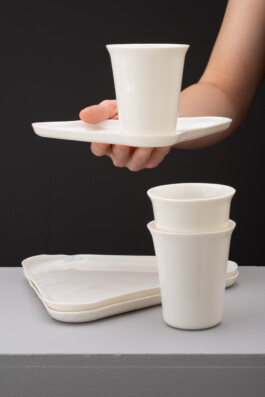
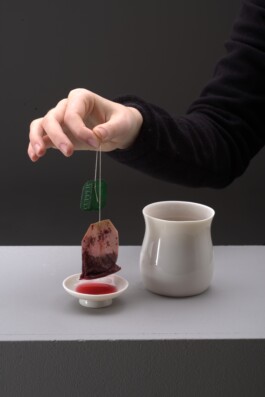
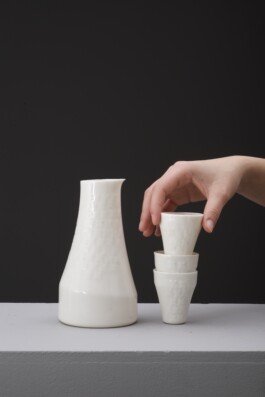
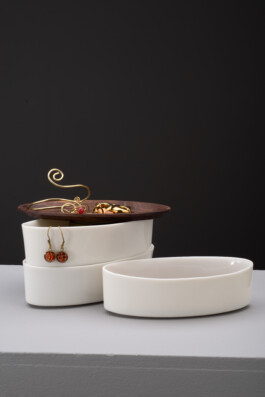
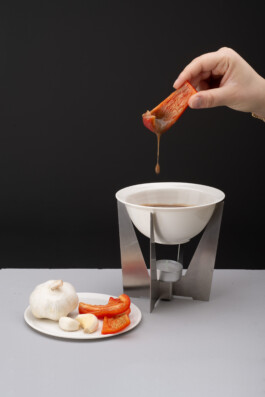
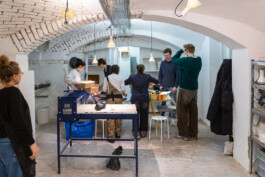
During the winter semester of 2024/25, we will engage extensively with porcelain and its processing while designing functional, durable and customisable products for everyday use. For this purpose, we will draw on the infrastructure and expertise of our porcelain workshop in Munich. As part of a three-day excursion, including an introductory workshop at the beginning of the term, we will familiarise ourselves with the material and basic techniques before producing the design projects developed throughout the semester in a two-day realisation workshop in early January 2025.
Klaus Hackl, 30.09.2024
•
Winter Semester 2024/2025
A product design project at the Faculty of Design and Art, Free University of Bolzano
•
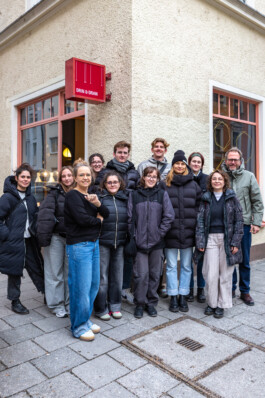
Teaching team
Klaus Hackl
Ada Keller
Giacomo Festi
Students
Sören Bläcker,
Chiara De Micco,
Alessia Farinola,
Sonja Gassmann,
Ece Karademiz,
Catharina Kolk,
Yannick Lange,
Theresa Podsiadly,
Lisa Sauer,
Elena Sezzano,
Beatrice Venturato,
Emily Whitney.
Porcelain for Use. Exploring the Material and Its Processing.
The origin of “true porcelain” (Uwe Mämpel) in China dates back over 2,000 years and culminated in the Tang Dynasty (618–907 AD). From the 13th century, Chinese porcelain was also imported to Europe. However, it largely remained an exclusive luxury reserved for the high nobility. The reinvention of porcelain by Johann Friedrich Böttger in Meißen over 300 years ago marked the beginning of a European development characterised by diverse forms of production and design as well as the ongoing democratisation of porcelain goods. This development clearly illustrates the complex history of porcelain as a cultural artefact and as a unique material situated between artisanal craftsmanship and industrial mass production. Although the porcelain industry in Europe has been in decline, especially since the 2008 global financial crisis (Suzanne L. Marchand), the cultural significance of porcelain production, as practised in factories and craft workshops, has largely endured. Furthermore, the use of digital tools and media, along with the fusion of traditional techniques and high-tech applications in mould making, has created new opportunities for design, production and distribution even for smaller porcelain workshops.
During the winter semester of 2024/25, we will engage extensively with porcelain and its processing while designing functional, durable and customisable products for everyday use. For this purpose, we will draw on the infrastructure and expertise of our porcelain workshop in Munich. As part of a three-day excursion, including an introductory workshop at the beginning of the term, we will familiarise ourselves with the material and basic techniques before producing the design projects developed throughout the semester in a two-day realisation workshop in early January 2025.
Klaus Hackl, 30.09.2024
•
Winter Semester 2024/2025
A product design project at the Faculty of Design and Art, Free University of Bolzano
•
Teaching team
Klaus Hackl
Ada Keller
Giacomo Festi
Students
Sören Bläcker,
Chiara De Micco,
Alessia Farinola,
Sonja Gassmann,
Ece Karademiz,
Catharina Kolk,
Yannick Lange,
Theresa Podsiadly,
Lisa Sauer,
Elena Sezzano,
Beatrice Venturato,
Emily Whitney.


@2020-2023 - insalata-mista studio - alla rights reserved. Privacy and cookie policy